

Planning how your baby will be fed is an important part of preparing for parenthood through surrogacy. Intended parents may wonder 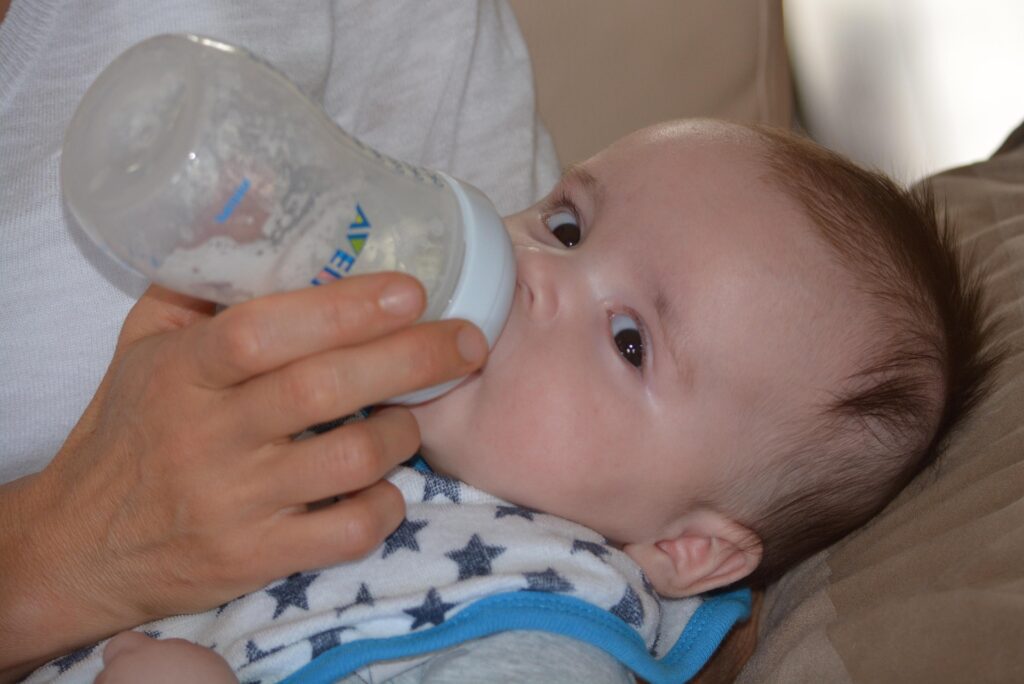 whether breastfeeding is possible, whether their surrogate can provide breast milk, or whether formula is the best fit for their family.
There is no single feeding plan that works for every surrogacy journey. Understanding your options early allows everyone involved to communicate clearly and prepare for the baby’s arrival.
Can Intended Parents Breastfeed After Surrogacy?
Some intended mothers and other non-gestational parents may be able to breastfeed through a process called induced lactation. This is the process of encouraging the body to produce milk without a recent pregnancy.
According to HealthyChildren.org, a resource from the American Academy of Pediatrics, intended or adoptive parents interested in induced lactation should speak with their healthcare provider as early as possible, ideally weeks or months before the baby arrives.
Milk production can vary significantly. Some parents develop a full supply, while others produce enough milk for some feedings and supplement with pumped milk or formula. Even when a full supply is not achieved, nursing can still offer meaningful bonding and closeness.
Understanding Three Feeding Options After Surrogacy
Surrogacy families generally consider three main feeding options:
- The intended parent induces lactation and breastfeeds.
- The surrogate pumps and provides breast milk.
- The family uses commercial infant formula.
These options can also be combined. An intended parent may breastfeed while supplementing with the surrogate’s pumped milk or formula. The right plan is the one that supports the baby’s nutritional needs while respecting everyone’s health, preferences, comfort, and boundaries.
The Induced Lactation Process
Induced lactation usually relies on frequent breast stimulation through pumping, hand expression, and eventually nursing the baby. A healthcare provider or International Board Certified Lactation Consultant can help create an individualized plan.
Some protocols may include hormonal therapy or prescription medication. However, medication is not appropriate or safe for everyone. Intended parents should never order or begin lactation medication without guidance from a qualified healthcare provider.
Timeline and What to Expect
Ideally, preparation begins several months before the baby’s expected arrival. The early stage may include a medical consultation and conversations about goals, health history, medications, and previous breastfeeding experiences.
Regular pumping often begins weeks before delivery. It may take several days or weeks to see the first drops of milk, and supply may gradually increase with consistent stimulation. Once the baby arrives, skin-to-skin contact, frequent nursing, pumping, and assistance with positioning and latch may support continued production.
Parents should remain flexible about the amount of milk produced. Supplementing does not mean that induced lactation was unsuccessful. It simply means the feeding plan is being adjusted to meet the baby’s needs.
Surrogate Pumping and What to Include in the Contract
A surrogate mother may choose to pump breast milk after delivery, but this should be discussed openly rather than assumed. Pumping requires time, physical effort, supplies, storage space, and coordination.
The surrogacy agreement should address:
- Whether pumping is optional or expected
- How long the surrogate agrees to pump
- Compensation for the surrogate’s time
- Who will purchase the pump and supplies
- How milk will be stored, transported, or shipped
- Who will pay storage and shipping expenses
- How medications or health changes will be communicated
- What happens if the milk supply is lower than expected
- How and when the surrogate will stop pumping
- What happens to any unused milk
A clear agreement can protect the surrogate’s comfort and autonomy while helping intended parents understand what they can realistically expect.
Formula Feeding Is a Valid Choice for Surrogacy Families
Formula feeding is a safe and valid option for families who do not want to pursue induced lactation or surrogate pumping. It may also be used alongside breast milk.
According to the Centers for Disease Control and Prevention, parents using formula should choose one made specifically for infants that contains iron. The CDC also advises against homemade formula because it may not provide the correct balance of nutrients for a baby.
Your pediatrician can help you select an appropriate formula, determine how much your baby needs, and discuss any feeding concerns. Formula also allows intended parents and other caregivers to participate equally in feeding from the beginning.
Making Your Feeding Decision and Who to Involve
Feeding discussions should ideally begin during the surrogacy process rather than waiting until delivery. Intended parents may want to involve:
- The surrogate
- The surrogacy agency
- The intended parent’s healthcare provider
- The surrogate’s obstetric provider
- The baby’s pediatrician
- An International Board Certified Lactation Consultant
- Each party’s surrogacy attorney
- The hospital care team
Your first plan does not have to be your final plan. Milk supply, recovery, the baby’s needs, and family circumstances can all influence what works best. A combination plan may provide the flexibility your family needs.
Shared Conception helps intended parents and surrogates have these important conversations before the baby arrives. You can contact us by calling (713) 622-1144 or by visiting https://sharedconception.com/contact.
Recent Comments